If you need to reach the Pentagon or Fort Belvoir without blowing your budget or your time, Springfield deserves a close look. You want a commute you can count on, a home that fits your life, and a move that stays on schedule. This guide breaks down Springfield’s transit options, commute ranges, housing mix, and smart timing tips for military and federal transfers so you can plan with confidence. Let’s dive in.
Why Springfield works for Pentagon and Belvoir
Springfield sits at a rare sweet spot: a major transit hub with a direct Blue Line connection to the Pentagon and quick road access to Fort Belvoir. The Franconia–Springfield complex is a true multi‑modal center with park‑and‑ride, a VRE stop, and many Fairfax Connector routes that feed Metro and regional destinations. You can review parking and bus connections on the county’s page for the Franconia–Springfield transit hub.
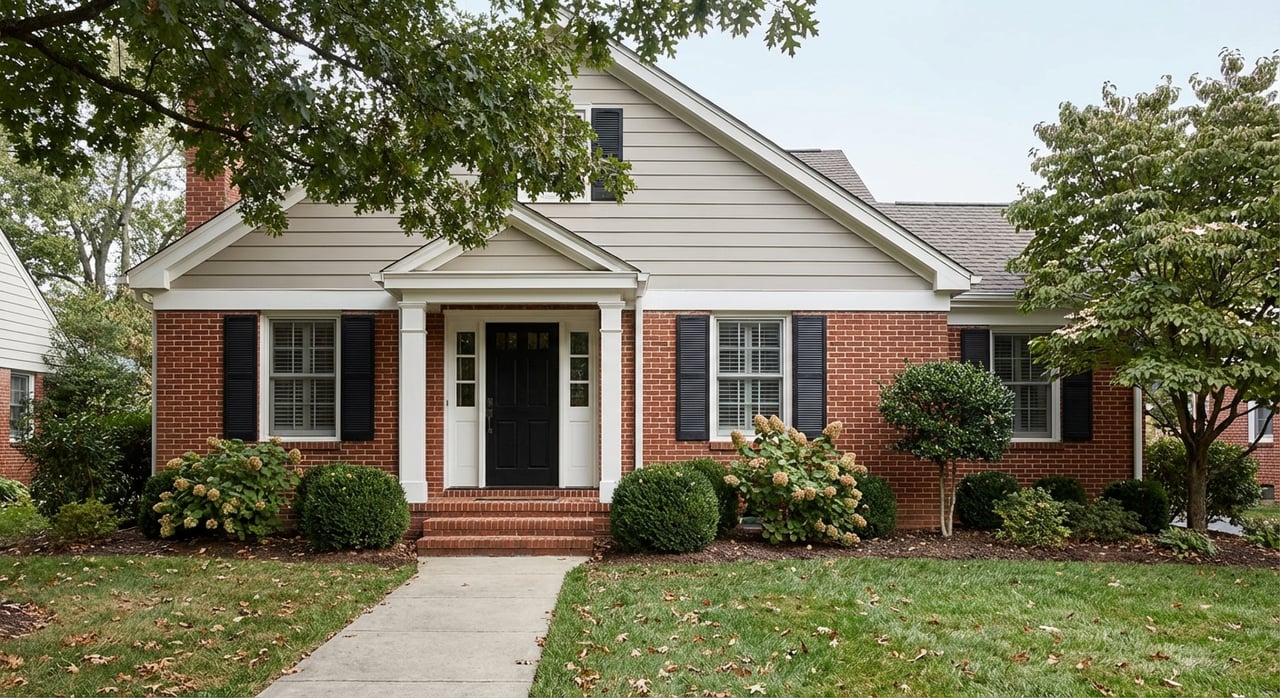
For many buyers, this blend of transit access and varied housing stock means you have options. You can choose a townhome near the Metro, a detached home in West Springfield, or a condo closer to retail at Springfield Town Center while still keeping workable commute paths to both installations.
Your commute options, compared
Metro from Franconia–Springfield to the Pentagon
The Blue Line typically delivers a one‑seat ride that often falls in the 20 to 30 minute range, depending on time of day and service patterns. Headways improve at rush hour. When WMATA schedules track work, the agency has run express shuttles that clocked roughly 22 to 33 minutes between Franconia–Springfield and the Pentagon. Always check the WMATA timetables and trip planner for real‑time estimates and any service advisories in the week you travel.
Practical tip: Franconia–Springfield offers large park‑and‑ride facilities, so driving a short distance, parking, and taking Metro can keep your Pentagon commute both predictable and cost‑effective.
Driving to Fort Belvoir and the Pentagon
From central Springfield to Fort Belvoir, plan for roughly 10 to 25 minutes depending on origin, route, and gate. The installation’s official guidance points most visitors to Tulley Gate via Fairfax County Parkway or US‑1. Review gate details and directions on Fort Belvoir’s visitor information page.
For the Pentagon, common routes include I‑95 north to I‑395 through the Springfield Interchange. Peak‑hour drive times can vary widely, so expect a range rather than a single number. It is not unusual to see 20 to 60 plus minutes depending on departure time and incidents.
Northern Virginia’s express lanes add flexibility but come with rules and dynamic tolls. Carpoolers with an E‑ZPass Flex set to HOV mode may qualify for free travel when HOV rules are in effect. Review the current policies and pricing framework on the Express Lanes terms and conditions page before you rely on them for your daily drive.
VRE and Connector buses
Franconia–Springfield is also a stop on the VRE Fredericksburg Line. VRE can be a solid option if your office is near a VRE transfer point or if you prefer a commuter‑rail ride into DC with a Metro connection on the other end. Check the station list and schedules on the Virginia Railway Express stations page.
Local Fairfax Connector routes make first‑mile and last‑mile links straightforward. If you plan to park and ride or rely on a bus connection from your neighborhood, review routes and parking details on the county’s Franconia–Springfield hub page.
Housing snapshot and what you get
Recent aggregator snapshots place Springfield’s typical home values in the high 600 thousand dollar range, which is generally below Arlington’s typical values that often land in the high 700 to low 800 thousand range in recent periods. Alexandria prices vary by neighborhood and property type and can be lower or higher than Springfield depending on the pocket. Exact pricing shifts month to month, so plan for live comps when you are ready to buy.
What you will see on the ground:
- Condos and garden‑style units near key corridors that offer lower entry points.
- A large supply of townhomes, including in planned communities such as Kingstowne, which many Pentagon and Fort Belvoir commuters choose for balance of space and access.
- Detached homes in established neighborhoods like West Springfield and Newington, often at higher price points tied to lot size and updates.
Many Pentagon commuters choose Springfield to gain more square footage and parking while keeping a one‑seat Metro ride. Fort Belvoir commuters often prioritize proximity to US‑1, Fairfax County Parkway, and Kingstowne for shorter, predictable drives to key gates.
Neighborhood quick picks near both bases
Use these neutral, commute‑oriented snapshots as a starting point, then layer in your budget and lifestyle needs.
- Kingstowne and Franconia: Dense townhome options, retail centers, and very short drives to Fort Belvoir. Quick access to the Franconia–Springfield Metro for Pentagon riders.
- West Springfield: Established detached homes and split‑levels. Drive time to Belvoir commonly in the 10 to 25 minute range depending on gate and traffic.
- Newington: Close to I‑95, with established detached housing and townhomes that appeal to commuters who split time between Belvoir and DC.
- Springfield Town Center area: Mix of newer condos and townhomes near shopping and the transportation hub for a convenient Metro commute.
- Burke and Lorton: Often more space per dollar than closer‑in areas, with tradeoffs in commute length. VRE nearby can help if your destination is downtown DC.
Timing your move if you have orders or a transfer
Typical homebuying timeline
From the start of an active search to closing, many buyers should plan on 2 to 4 months in total. Once you are under contract, a common window to close is about 30 to 60 days depending on loan type, appraisal, and underwriting. For national context on closing durations, see this overview of how long it takes to close on a house. If your report date is fixed, start active house hunting 60 to 90 days before arrival and build in contingency time.
PCS and BAH planning for military
Confirm your exact report date and whether permissive house‑hunting time is authorized. Look up your BAH by rank and prospective ZIP using the official Defense Travel Management Office BAH calculator. Coordinate movers early, especially during peak PCS season, and decide whether to use a government move or a PPM. If you need temporary lodging, confirm TLE or TLA rules with your Transportation Office.
Federal civilian transfers
Relocation benefits for federal civilians follow the Federal Travel Regulation and vary by agency. House‑hunting trips, temporary quarters subsistence, shipment and storage all depend on your agency’s policies. Review the FTR framework and confirm specifics with your gaining HR and finance office. You can reference the regulation via this Federal Travel Regulation overview.
Quick commute and relocation reference
Use this checklist to align your home search with your commute and timing goals.
- Metro to the Pentagon: Blue Line from Franconia–Springfield often 20 to 30 minutes, with shorter or longer runs based on headways and service. Verify with the WMATA trip planner.
- Drive to Fort Belvoir: Plan for about 10 to 25 minutes from central Springfield to Tulley Gate based on time of day and route. Review gate details on Fort Belvoir’s visitor page.
- VRE option: Consider VRE Fredericksburg Line from Franconia–Springfield if your office pairs well with a VRE stop or Metro transfer. See stations and schedules on VRE’s stations page.
- Express lanes: I‑95, I‑395, and Beltway express lanes use dynamic tolling and HOV rules. Read the latest on the Express Lanes terms page and budget if you plan to rely on them.
- Orders and benefits: Confirm allowances and any house‑hunting time with your command or HR. Check your BAH at the DTMO BAH site before setting your price targets.
How we help you succeed
You deserve a steady hand, clear timelines, and fast communication as you plan a Pentagon or Fort Belvoir move. As a veteran‑founded, husband‑and‑wife team, we tailor the process to your report date, budget, and commute priorities. We focus on pre‑approval and property match first, then coordinate showings, virtual tours if needed, and contract‑to‑close milestones so you can arrive on time with less stress.
Whether you are buying, selling, or securing a rental while you learn the area, we bring disciplined, concierge‑level support and local knowledge across Springfield, Kingstowne, Alexandria, and the I‑95 corridor. If you want a personal game plan built around your orders or transfer timeline, reach out to Jürgen Gonzalez for calm, no‑pressure advice.
FAQs
What is the typical Metro time from Springfield to the Pentagon?
- The Blue Line from Franconia–Springfield commonly runs about 20 to 30 minutes, but always check the WMATA trip planner for real‑time estimates and advisories.
How long does it take to drive from Springfield to Fort Belvoir Tulley Gate?
- Many drivers see about 10 to 25 minutes from central Springfield depending on route, gate, time of day, and traffic conditions; review gate details on Fort Belvoir’s site.
Are Springfield townhomes a good fit for Pentagon and Belvoir commutes?
- Townhomes in areas like Kingstowne and Franconia pair quick Fort Belvoir drives with easy access to the Franconia–Springfield Metro for the Pentagon, giving you flexible commute options.
How do Springfield home prices compare with Arlington and Alexandria?
- Recent aggregator snapshots place Springfield’s typical values in the high 600 thousand range, generally below Arlington’s high 700 to low 800 thousand range, while Alexandria varies by neighborhood and property type.
When should I start my home search if I have PCS orders?
- A practical window is to begin actively touring 60 to 90 days before your arrival, plan for 30 to 60 days from contract to close, and build in contingency time for appraisal, underwriting, and any schedule shifts.