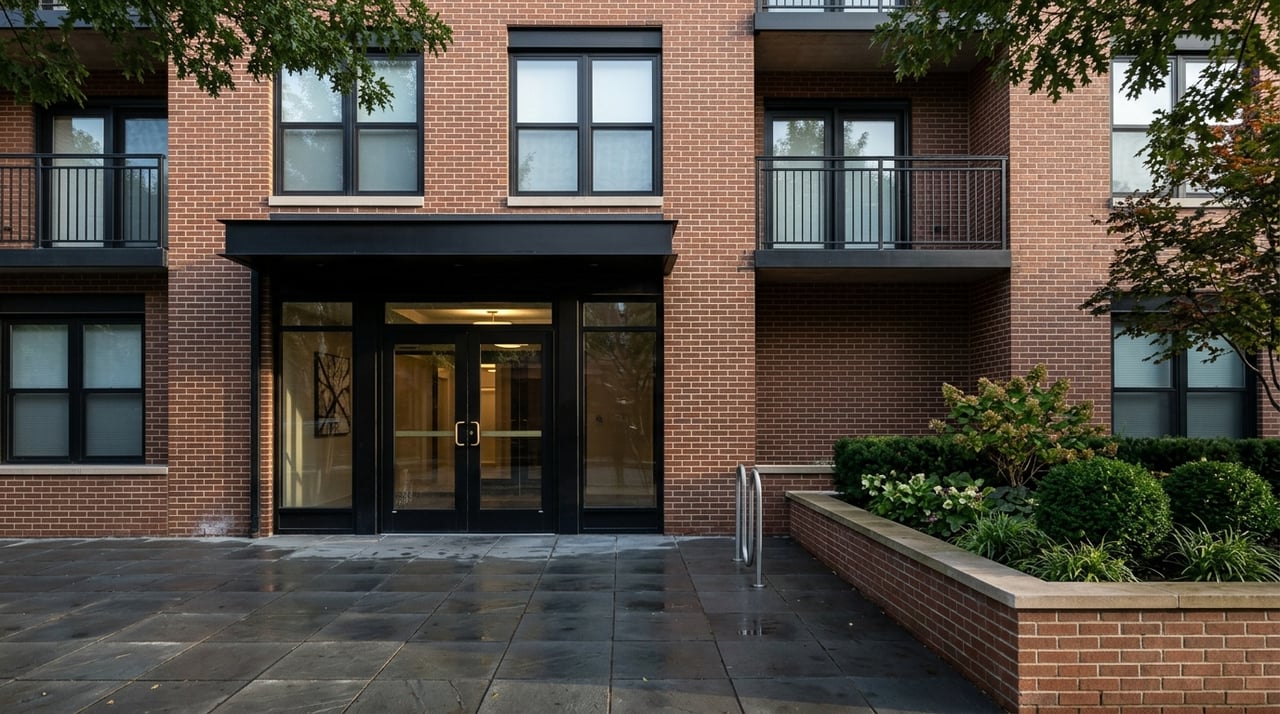
If you want a condo investment in Northern Virginia, Arlington’s Metro corridors deserve a serious look. These areas combine walkable, mixed-use neighborhoods, established transit access, and a long-term planning model built around dense development near Metro stations. If you are weighing where to buy, this guide will help you understand the price bands, rent potential, and tradeoffs that matter most in Arlington’s transit-oriented condo market. Let’s dive in.
Why Arlington’s Metro Corridors Stand Out
Arlington has spent decades concentrating higher-density development within a quarter-mile of Metro station entrances in places like Rosslyn, Courthouse, Clarendon, Virginia Square, Ballston, Pentagon City, and Crystal City. According to Arlington County’s planning overview, that transit-focused model sits inside a county that had an estimated 240,900 residents and 221,400 jobs in 2024, with almost all land already developed.
That matters for investors because supply is naturally constrained. In a market where very little greenfield land remains, well-located condos near Metro can benefit from enduring buyer and renter demand. Arlington’s long-running Smart Growth approach also supports a compact, mixed-use environment that many renters and owners actively seek out.
The scale is significant. Arlington says its two Metro corridors contain about 36 million square feet of office space, 6 million square feet of retail, and more than 47,000 residential units. The same source notes that 40 percent of Rosslyn-Ballston corridor residents commute by public transportation, while 16 percent do not own a car.
What Makes These Condos Attractive to Investors
Transit access is the headline, but it is not the whole story. Arlington’s corridor neighborhoods also offer a mix of housing, retail, employment centers, and public spaces that can support steady renter interest.
Public investment is another major factor. In 2024, the County Board adopted a $5.2 billion FY25-FY34 Capital Improvement Plan, including $2.25 billion for Metro and transportation. That funding includes work tied to Metro station entrances and street projects in Crystal City, Pentagon City, and Potomac Yard.
For you as an investor, that signals continued reinvestment around the kinds of locations that often hold value best over time. Arlington also states on its Smart Growth page that it has the lowest property tax rate among jurisdictions in Northern Virginia, which can help the overall carrying-cost picture.
Arlington Price Bands by Corridor
Condo pricing varies by submarket, building age, unit size, and fee structure. The research here uses Zillow’s all-housing figures as a rough proxy, which is still useful in Arlington because many station-area housing options are condos.
Here is the broad value ladder based on current figures:
- Ballston-Virginia Square: low $500Ks
- Clarendon-Courthouse: mid $600Ks
- 22201 ZIP code: high $600Ks
- 22202 ZIP code: mid $700Ks
- North Rosslyn: mid $800Ks
- Arlington overall typical home value: about $806,910
These ranges come from Zillow’s Arlington home value data and neighborhood-level figures cited in the research. They are not condo-only medians, but they do show how quickly pricing can rise as you move closer to premium Metro locations and higher-end building stock.
Building Types and Investor Entry Points
In Ballston, Clarendon, Virginia Square, and Courthouse, Arlington describes a dense mix of condos and apartments close to Metro. The county’s Ballston planning information notes a broad mix of residential, office, and commercial uses, while Clarendon and Courthouse include varied housing types and active mixed-use settings.
For many investors, the most practical starting point is a one-bedroom or compact two-bedroom condo. These units often offer a lower entry price and broad rental appeal. Larger three-bedroom condos do exist in some buildings, but they usually require a larger upfront investment and more careful rent analysis.
Sample listings in the research show just how wide the spread can be. A Ballston 1-bedroom, 1-bath condo of 634 square feet carried a Zestimate around $423,900 with estimated rent around $2,324, while a Courthouse 3-bedroom, 2-bath condo around 1,370 square feet showed a Zestimate near $795,100.
Rent Potential in Arlington
Arlington’s rental market remains strong relative to nearby Northern Virginia markets. Zillow’s current rental trend data shows average rent in Arlington at $2,600, compared with $2,241 in Alexandria, $2,412 in Fairfax County, $2,335 in Fairfax, $2,468 in Falls Church, and $2,522 in Falls Church City. You can review that comparison through Zillow’s Arlington rental market trends.
That does not mean every condo will cash flow the same way. Rent performance depends heavily on unit size, finish level, amenities, and how easy the walk is to Metro, jobs, dining, and daily services.
The sample properties in the research help frame the range:
- Ballston 1BR: estimated rent around $2,324
- Crystal City 2BR: estimated rent around $3,435
- Courthouse 3BR: estimated rent around $4,295
The takeaway is simple. As unit size, building quality, and convenience improve, the rent ceiling can rise materially.
Comparing Arlington Submarkets
Ballston and Virginia Square
Ballston and Virginia Square often attract investors looking for a more approachable entry point relative to some pricier Arlington submarkets. Ballston is a mixed-use downtown area with direct access to I-66 and Glebe Road, while Virginia Square is described by the county as predominantly residential with cultural, educational, and recreational amenities.
These areas can make sense if you want strong transit access without paying Rosslyn or premium Clarendon pricing. One-bedroom condos are common here, which can create more options for first-time investors or buyers looking for a lower acquisition cost.
Clarendon and Courthouse
Clarendon and Courthouse are often central to the Arlington condo conversation because they pair Metro access with active street life and a broad mix of uses. Arlington describes Clarendon as a walkable neighborhood with shops, restaurants, bars, office buildings, public art, and open space.
For investors, that kind of environment can support consistent renter demand. Pricing tends to sit above Ballston-Virginia Square, so you will want to balance the higher purchase price against projected rent, HOA dues, and long-term resale appeal.
Rosslyn
Rosslyn tends to sit at the premium end of the corridor. Arlington says the Rosslyn station area has more than 6,000 residences within a 10-minute walk of Metro, with a mix of high-rise apartments, condominium buildings, older smaller buildings, and new townhouses.
That gives you a range of investment profiles inside one submarket. You may find older units with more manageable acquisition costs, but newer or more amenity-rich towers can command a premium. Rosslyn can be appealing if your strategy leans toward location strength and long-term desirability.
Crystal City and Pentagon City
Crystal City and Pentagon City are among Arlington’s most transformation-driven areas. The county’s Crystal City Sector Plan aims to create a more walkable mixed-use district with more housing, better public space, stronger transit options, and more ground-floor retail.
Over time, Crystal City is expected to add 7,600 net new housing units. The broader planning framework for Crystal City and Pentagon City also reflects continued attention to transportation demand and evolving development tied to major employment growth.
For you, that can create both opportunity and complexity. These submarkets may offer a compelling long-term story, but building-by-building analysis becomes especially important as new supply, HOA structures, and renovation needs vary widely.
Don’t Ignore HOA and Condo Fees
One of the biggest mistakes condo investors make is focusing only on price and rent. In Arlington, monthly HOA or condo fees can meaningfully affect your numbers.
Sample listings in the research showed fees from $269 per month in one Rosslyn-area building to $636 in the Belvedere, $772 in a Crystal City condo, and $1,313 in a Ballston penthouse. Some dues include items like water, sewer, trash, recycling, snow removal, or broader amenities, so the fee itself is only part of the story.
The smarter approach is to compare dues against your expected rent and tenant profile. In some buildings, richer amenities may support stronger leasing demand. In others, the fee load may eat too deeply into returns.
Arlington Versus Nearby Markets
Arlington usually lands in the upper-middle tier on both purchase price and rent compared with nearby Northern Virginia markets. Zillow’s research data shows Arlington typical home value at about $806,910, compared with $676,205 in Alexandria, $750,026 in Fairfax County, $768,213 in Fairfax, $773,202 in Falls Church, and $1,148,927 in Falls Church City.
At the same time, Arlington’s average rent of $2,600 is above Alexandria, Fairfax County, Fairfax, Falls Church, and Falls Church City in the data provided. That suggests Arlington often offers a stronger transit premium and rental ceiling than many nearby alternatives, while places like Alexandria and parts of Fairfax County may provide lower acquisition costs.
If your investment goal is to prioritize walk-to-Metro convenience and strong rental positioning, Arlington can justify a closer look. If your goal is a lower basis, nearby markets may also deserve comparison.
A Practical Way to Evaluate a Condo Here
If you are considering an Arlington condo along a Metro corridor, keep your evaluation focused on the basics:
- Study the exact walk-to-Metro experience. A short, easy walk often matters more than the ZIP code alone.
- Review HOA documents and monthly dues carefully. Fees can change the math fast.
- Compare the building, not just the neighborhood. Older buildings and luxury towers can perform very differently.
- Estimate realistic rent. Use unit size, finish level, amenities, and location within the corridor to pressure-test income.
- Think about resale from day one. Scarcity and public investment help, but the best-performing condos are still highly building-specific.
Arlington’s Metro corridors offer a compelling mix of transit access, established demand, and long-term reinvestment. If you want help comparing buildings, weighing carrying costs, or identifying condo opportunities that fit your budget and goals, Jürgen Gonzalez can give you calm, no-pressure guidance tailored to Arlington and the wider Northern Virginia market.
FAQs
What makes Arlington Metro corridor condos attractive for investors?
- Arlington’s Metro corridors combine transit access, mixed-use neighborhoods, limited land supply, and continued public investment, which can help support renter demand and long-term resale appeal.
Which Arlington Metro areas have lower condo entry prices?
- Based on the research provided, Ballston-Virginia Square generally sits at the lower end of Arlington’s corridor price ladder compared with Clarendon, Courthouse, Rosslyn, and parts of 22202.
How much rent can an Arlington condo potentially earn?
- Rent varies by location, size, and building quality, but the research included sample estimates of about $2,324 for a Ballston one-bedroom, $3,435 for a Crystal City two-bedroom, and $4,295 for a Courthouse three-bedroom.
Why do HOA fees matter when buying an Arlington investment condo?
- HOA fees affect your monthly carrying costs and can materially change returns, especially in amenity-rich buildings where dues may be several hundred dollars per month or more.
How does Arlington compare with Alexandria and Fairfax for condo investing?
- Arlington generally shows higher rents and a stronger transit premium in the provided data, while Alexandria and much of Fairfax County may offer lower acquisition costs depending on the property and location.
What should you review before buying a condo near Metro in Arlington?
- You should review the building’s HOA fees, the unit’s walk-to-Metro convenience, likely rental demand, building condition, and how the condo compares with nearby options in the same corridor.