If you're buying in McLean, one of the biggest decisions is not just which home to buy, but what kind of home fits your goals best. In this market, new construction and resale homes can offer very different paths, timelines, and tradeoffs. Understanding how each option works in McLean can help you move with more confidence and fewer surprises. Let’s dive in.
Why This Choice Matters in McLean
McLean is not a market with large amounts of open land or broad new subdivisions. Fairfax County describes the area as predominantly stable and low-density, with very little vacant land, and single-family homes make up nearly 70% of developed land.
That matters because “new construction” in McLean often means something different than buyers expect. Instead of a brand-new neighborhood built all at once, you are more likely to see infill homes, tear-down and rebuild projects, or newer multifamily development closer to McLean Metro and Tysons.
What New Construction Means in McLean
In McLean, new construction often comes in a few forms. It may be a new single-family home built on an existing lot, a replacement for an older house, or a newer condo or multifamily property near transit-oriented areas.
Fairfax County requires a residential New Building permit for new single-family dwellings and new townhouses. The county reviews plans, issues permits, and performs inspections at required stages before issuing a Residential Use Permit for occupancy.
For you as a buyer, that usually means a more layered process. Even when the finished home looks move-in ready on paper, the path to completion includes approvals, inspections, and timing that can be less predictable than a standard resale purchase.
When New Construction Makes Sense
New construction can be a strong fit if you want more control over the home itself. If layout, finishes, and a newer structure matter most to you, this option may feel worth the extra time.
The research also notes an important difference between custom and production homes. A custom home typically starts with a buyer-selected location and a design built around that lot, while a production home usually offers a smaller menu of preselected choices.
That distinction matters in McLean because lot-specific design can be a major part of the appeal. If you care deeply about how a home sits on the lot, how the floor plan flows, or what materials are used, new construction often offers more flexibility than resale.
What to Watch With New Construction
The biggest tradeoff is usually time. New construction is often a slower and more variable process because county review, staged inspections, and final occupancy approval all need to happen before move-in.
The financing path may also look different. The Consumer Financial Protection Bureau defines a new-construction loan as a loan for a home that is not yet built or is currently under construction, and builders may ask for an upfront deposit.
There is also a practical risk shift. With new construction, you may have fewer concerns about age-related wear, but more attention needs to go toward builder quality, contract scope, timeline changes, and change-order costs.
What Resale Means in McLean
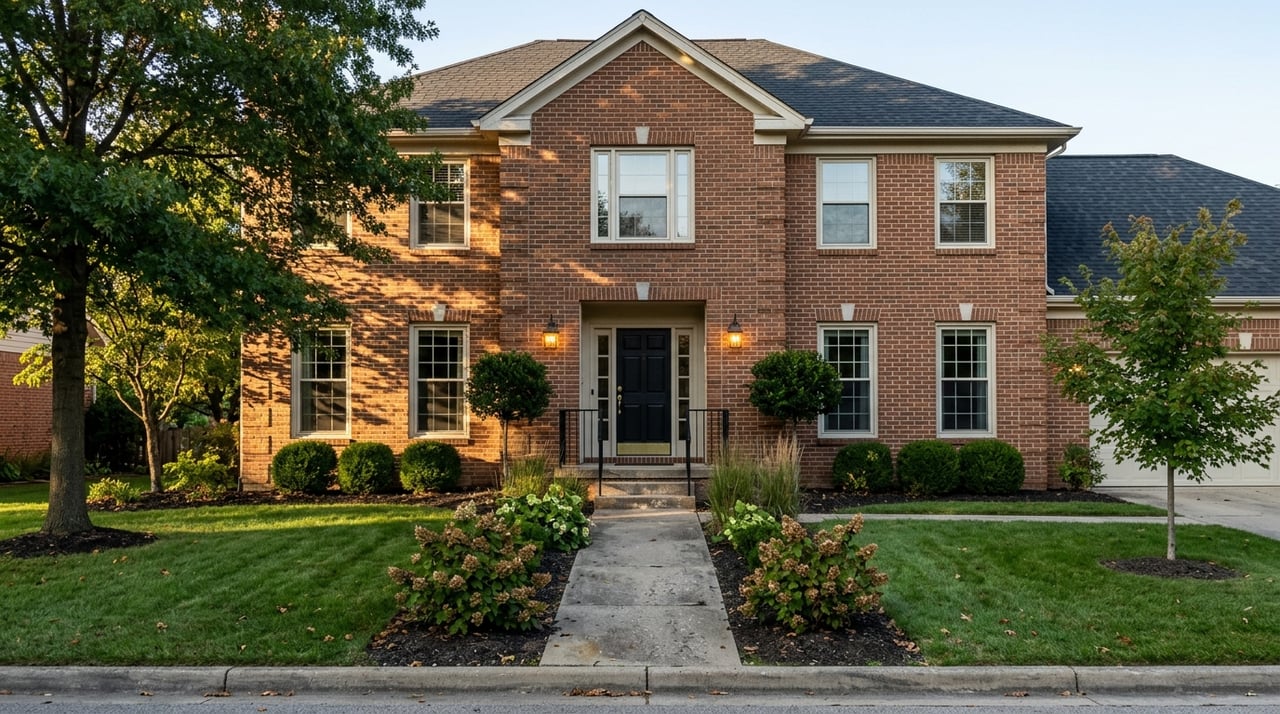
A resale home in McLean is often part of a long-established neighborhood with mature lots and an existing streetscape. For many buyers, that setting is a major draw, especially when the goal is to purchase sooner and settle into a home with a known location and character.
Resale homes also tend to offer more immediate inventory in McLean's detached-home neighborhoods. Because vacant land is limited, the choice is often not between a resale house and a home in a new subdivision. It is more often between an older established property and a newer infill or redevelopment option.
When Resale Makes Sense
Resale homes usually work well if speed and certainty matter most. If you need a more typical purchase timeline, resale often gives you a clearer path to settlement.
The research report notes that closing is the last step in buying and financing a home and typically happens at the same time as the purchase closing. As a rough market reference, typical purchase timelines are often around 30 to 45 days.
That can be especially helpful for relocation buyers, military families, or anyone managing a time-sensitive move. A resale home may offer a more predictable route when your calendar matters as much as the home itself.
What to Watch With Resale
Virginia’s residential property disclosure law is important here. The seller generally makes no representation or warranty about the property’s condition, lot lines, expansion potential, flood status, easements, and other site-specific matters, so buyers need to do their own due diligence.
In practical terms, you should not assume that an existing lot can support a future addition, pool, or rebuild just because a property looks large enough. The research report specifically notes the value of verifying survey details, zoning, lot coverage, setbacks, and any local district rules before making plans.
Age is another factor. Many McLean homes are older, and older homes can come with issues that are not obvious during a first showing, including roofing, systems, foundations, or prior renovation work.
For homes built before 1978, Virginia health guidance says lead-based paint is more likely to be present. Buyers should receive lead disclosures and a 10-day inspection or risk-assessment window.
Inspections Matter in Both Paths
Whether you choose new construction or resale, inspections still matter. They just serve different purposes.
For resale homes, the inspection is one of your most important tools. Virginia law defines a home inspection as a licensed written evaluation of the home’s readily accessible components, and early inspection timing can help you address concerns, negotiate repairs, or cancel if the contract allows.
For new construction, county inspections are required, but they are not the same as a private buyer inspection. County oversight is focused on code compliance and required construction stages, while a buyer's own inspection can add another layer of review before closing or occupancy.
Comparing New Construction and Resale in McLean
Here is the simplest way to think about the decision:
| Factor | New Construction in McLean | Resale in McLean |
|---|---|---|
| Typical setting | Infill, tear-down/rebuild, or transit-adjacent newer development | Established neighborhoods with older housing stock |
| Timeline | Longer and more variable | Often faster, with many purchases closing in about 30 to 45 days |
| Customization | Higher potential, especially with custom builds | Limited to existing layout and features |
| Due diligence focus | Builder quality, contract scope, timeline, change orders | Condition, lot details, zoning, systems, repairs |
| Inventory pattern | More limited and specialized | Often broader in established areas |
How to Decide Which Option Fits You
The right choice usually comes down to what matters most in your move. In McLean, there is no universal winner because the market’s land pattern makes each option useful for different buyers.
New construction may be the better fit if you want:
- More design control
- Newer materials and systems
- A home tailored to your preferences
- Flexibility to wait through a longer process
Resale may be the better fit if you want:
- A faster move
- A home in an established setting
- More immediate inventory options
- A purchase built around careful condition-based due diligence
A McLean-Specific Reality Check
One of the most important takeaways is that McLean does not behave like a market full of easy side-by-side choices between brand-new subdivisions and older homes. Fairfax County’s land use pattern means supply is limited, and the mix is shaped by established detached neighborhoods, infill redevelopment, and some newer multifamily options near transit.
That is why your decision should be tied to your priorities, not assumptions. If you are focused on speed, existing neighborhood character, and evaluating what is already there, resale may give you the clearest path. If you are focused on design control and are comfortable with a slower process, new construction may be the stronger match.
A calm, organized plan matters either way. In a market like McLean, the best outcomes usually come from matching your timeline, due diligence, and expectations to the type of home you are buying.
If you want help weighing new construction versus resale in McLean, talk through your timeline, goals, and must-haves with Jürgen Gonzalez. You’ll get personal, no-pressure guidance shaped around your move.
FAQs
Is new construction common in McLean?
- New construction exists in McLean, but it is often infill, tear-down and rebuild, or transit-oriented multifamily development rather than large new subdivisions.
Are resale homes in McLean faster to buy?
- In many cases, yes. Resale purchases often move faster than new construction, and typical purchase timelines are often around 30 to 45 days.
Do McLean resale homes need more due diligence?
- Yes. Virginia disclosure rules place much of the responsibility on buyers to investigate condition, lot details, zoning, easements, and expansion potential.
Do county inspections replace a private inspection on new construction in McLean?
- No. Fairfax County inspections are required for permitting and occupancy, but they are not the same as a private buyer inspection.
Is new construction better if I want customization in McLean?
- Usually, yes. New construction is generally the better fit if layout, finishes, and lot-specific design choices are a top priority.