If you price your Falls Church home too high, you may lose the momentum that matters most. If you price it too low, you risk leaving money on the table. The good news is that you do not have to guess. With the right local comps, smart prep, and a polished launch plan, you can position your home to attract serious buyers and stronger offers. Let’s dive in.
Why pricing matters in Falls Church
Falls Church is a small, fast-moving market, but it is not one-size-fits-all. Public market snapshots vary by source, yet they point to the same takeaway: your first price and first impression matter.
Some recent reports show homes moving quickly, while others show longer timelines depending on the platform and date range used. That gap is exactly why broad headlines are not enough when you are setting a list price. In Falls Church, neighborhood-level pricing and property-specific positioning carry more weight than generic averages.
The local picture also shows that demand can differ from the wider metro area. Bright MLS reported 2.57 months of supply in Falls Church City in January 2026, compared with 1.74 months across the broader Washington metro. That tells you local supply conditions can shift meaningfully even when the regional market sounds hot.
Start with sold comps, not guesses
The strongest way to price a home in Falls Church is to use recent comparable sales. The City of Falls Church uses a sales-comparison approach for single-family homes and looks at factors like timing, size, location, condition, and features.
That local process gives sellers an important lesson. Your tax assessment is not your list price, and an online estimate is not a pricing strategy. Both can be useful reference points, but neither replaces a close review of recent sold homes that actually compete with yours.
The city also notes that assessments are based on sales from the 12 months before January 1. Sales after that date do not factor into the next reassessment cycle right away. If the market has shifted since then, your current list price needs to reflect the newest available comps, not last cycle’s tax value.
Why assessments and estimates can mislead
It is easy to anchor on a city assessment or an automated value range. That can create problems, especially in a micro-market like Falls Church where pricing can change block by block and property by property.
A 2026 city memo said some neighborhoods were assessed at 70% to 85% of verified 2025 sales. That is a clear reminder that market movement is not always even across the city. Two homes with similar square footage may still land in very different pricing conversations based on condition, updates, lot appeal, or exact location.
Falls Church homeowners can review comparable sales through the city’s real-property database. Even so, the city says sales data updates can be delayed and subject to change. In practice, the freshest recently closed comps usually provide the best benchmark when you are preparing to list.
Price for the first week
Your launch week can shape the entire sale. Zillow’s February 2026 analysis found that homes that went pending within seven days were 2.6 times more likely to sell above asking than the typical listing.
That does not mean every home should be priced low to trigger a bidding war. It means your pricing should be sharp enough to create early interest, showings, and buyer confidence. When buyers feel a home is correctly priced from day one, they are more likely to act quickly.
Overpricing often hurts more than sellers expect. A stale listing can lead buyers to wonder what is wrong, even when the home itself is solid. Once that first wave of attention fades, you may end up chasing the market instead of leading it.
Position your home before it hits the market
Price gets buyers to click, but presentation gets them to act. In Falls Church, where buyers often compare homes closely, your home needs to feel well prepared from the moment it goes live.
The best pre-listing improvements are usually simple and visible. Research cited in your market report points to decluttering, paint, landscaping, curb appeal, staging, and fixing obvious issues as the most practical prep steps.
Large additions are usually not the first recommendation. Instead, focus on the updates that help buyers see a clean, cared-for home and imagine themselves living there.
Focus on the rooms buyers notice most
According to NAR’s 2025 staging research, staging helps buyers visualize a home more easily. The same research found that staged homes may see stronger offered value and reduced market time.
The most important rooms to stage are the living room, primary bedroom, and kitchen. If you do not stage every room, start there. Those spaces often carry the emotional weight of the showing.
Improve curb appeal first
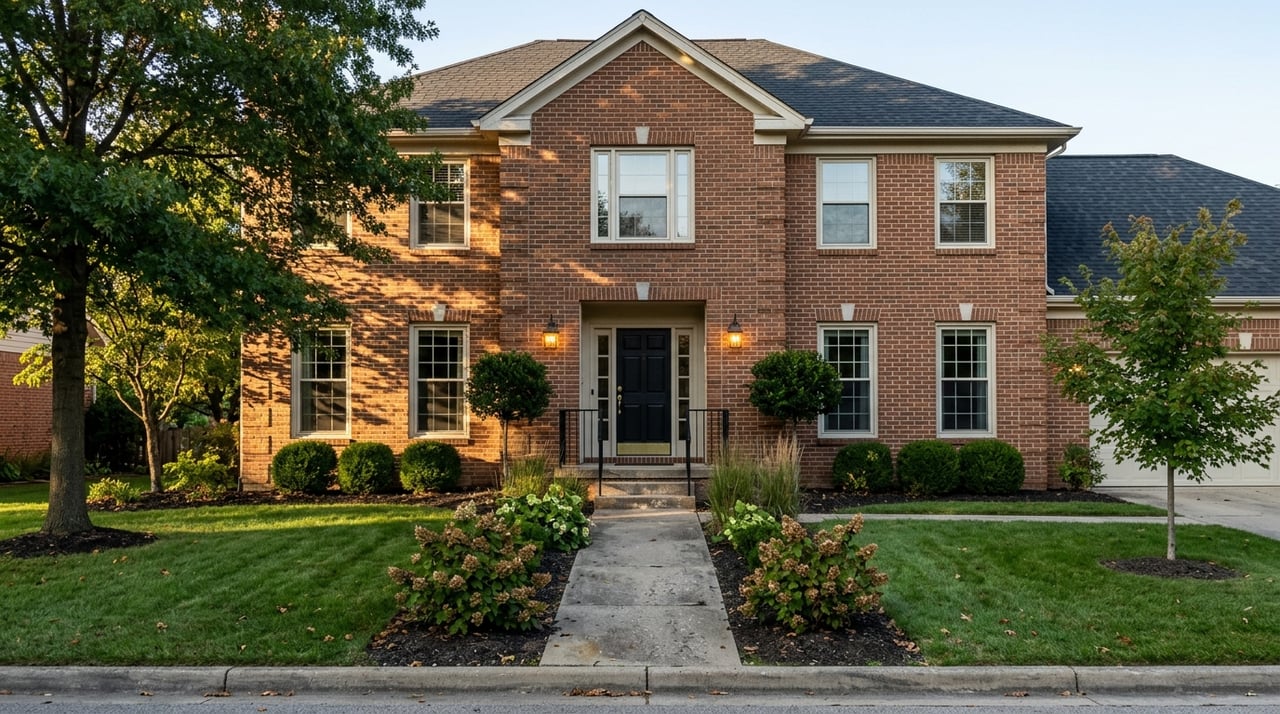
Buyers form opinions before they step inside. Zillow’s curb-appeal guidance notes that buyers often see a tidy exterior as a sign that the home has been maintained overall.
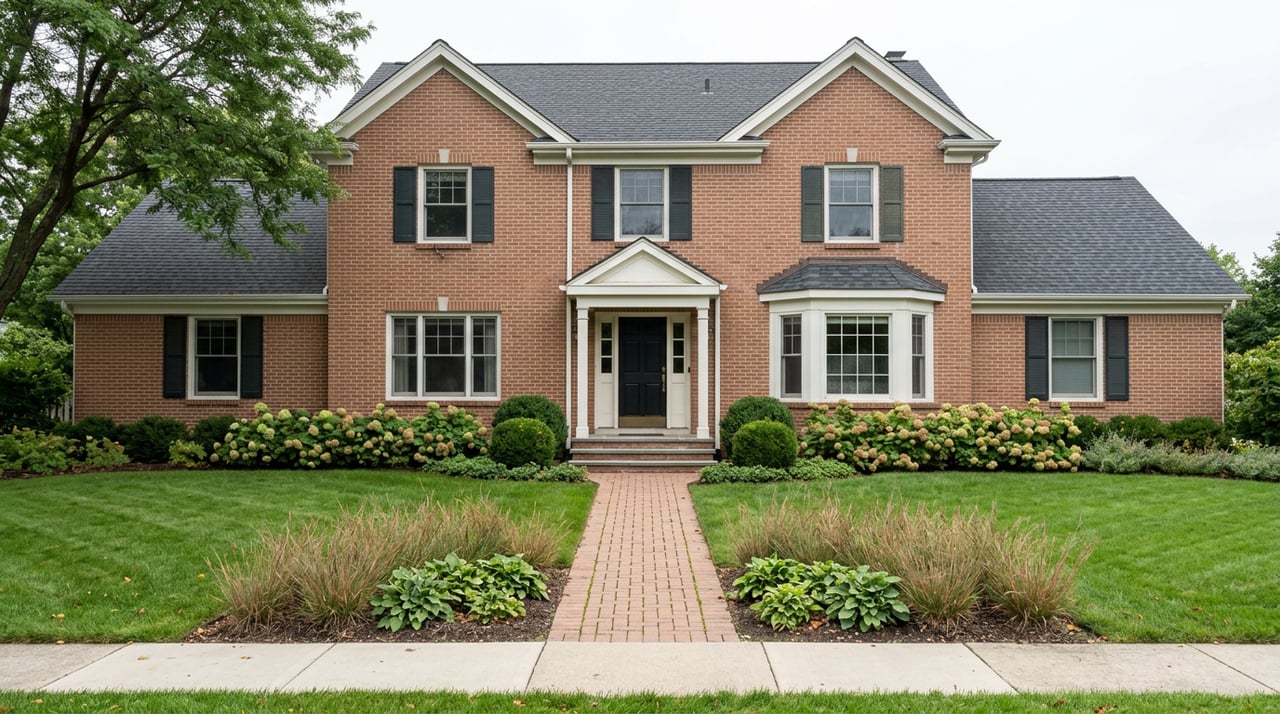
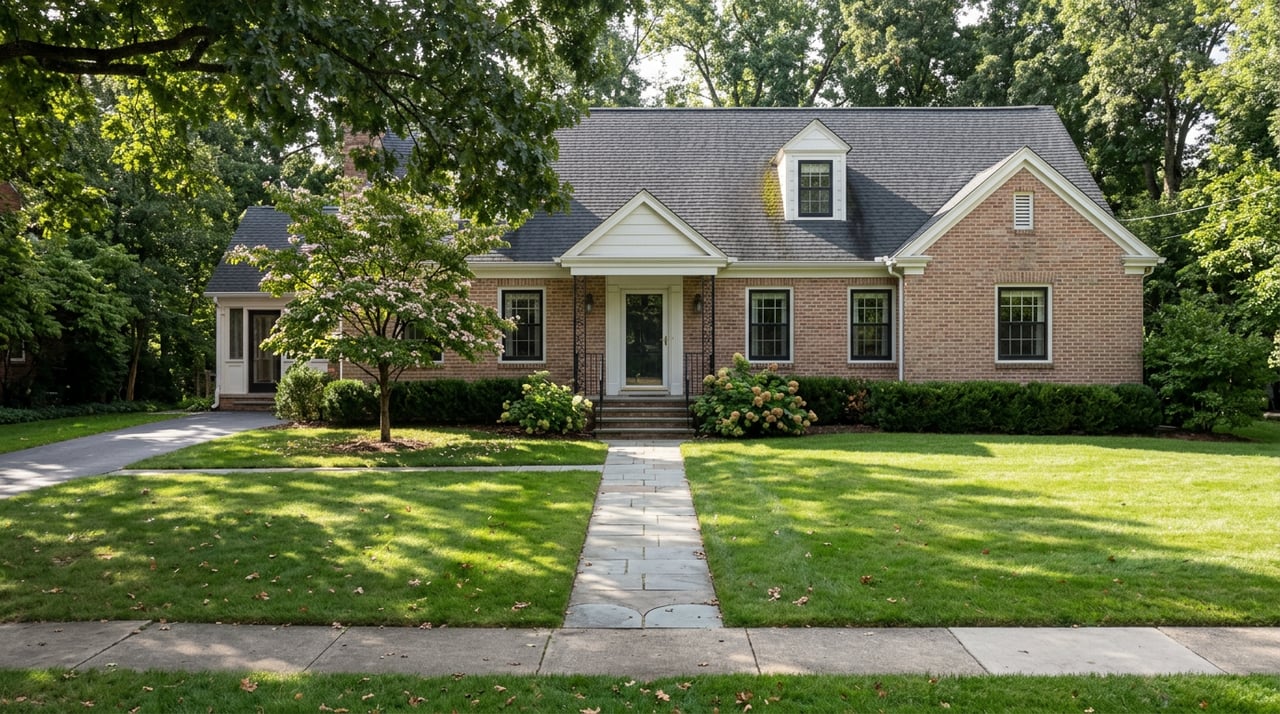
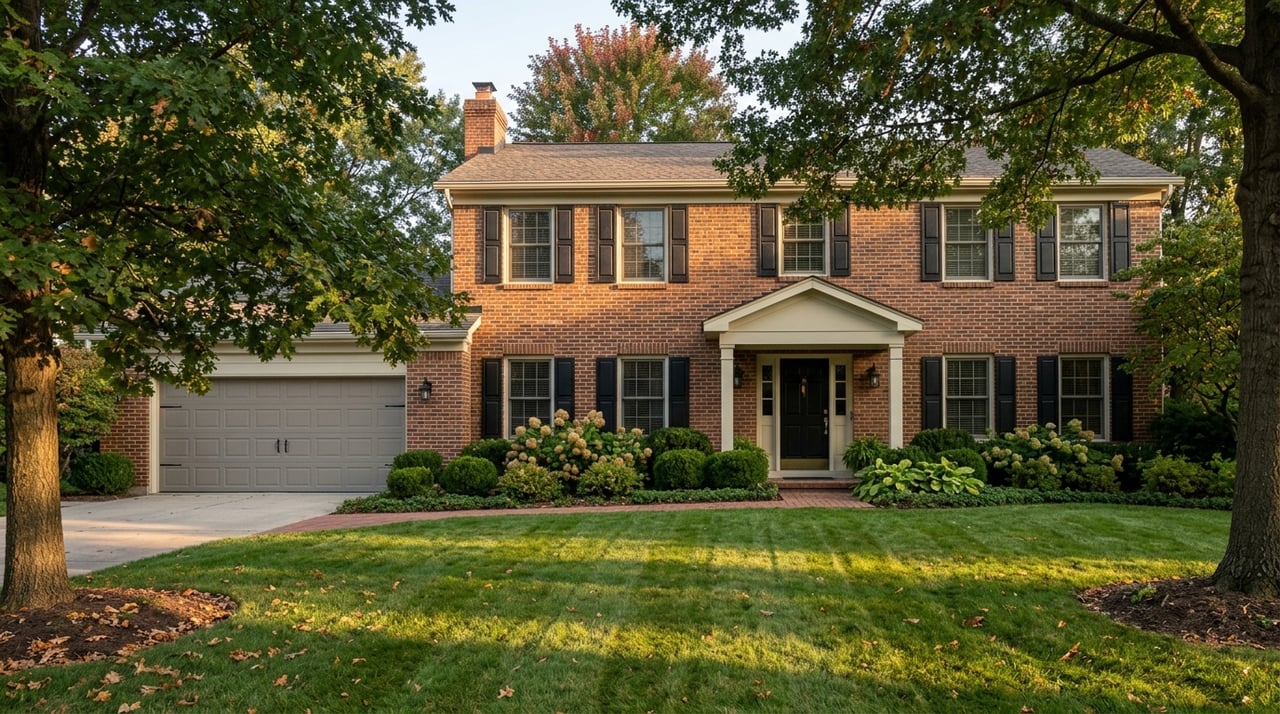
That means small projects can matter. Fresh mulch, trimmed shrubs, clean walkways, and a tidy front entry can strengthen your negotiating position without requiring a huge budget.
Use a launch plan, not just a list date
Many sellers ask when the best time to list is. Spring often gets the spotlight, and national timing studies did identify April 12 through 18, 2026 as a strong week based on higher views, stronger pricing, and fewer price reductions.
Still, timing is only one part of the equation. In Falls Church, the better rule is to launch when your pricing, condition, photography, and marketing are all ready at the same time.
A rushed listing can waste your best window of attention. A prepared launch gives you a better chance to make the first week count.
Make your online presentation work harder
Most buyers start online. Zillow’s seller guidance says 95% of buyers search online, which is why your listing needs broad public exposure and a polished digital presentation.
That starts with professional photography and, when appropriate, virtual tours. Your listing should not just be live. It should look complete, consistent, and compelling wherever buyers find it.
Public MLS exposure matters too. Zillow also reported that homes not listed on the MLS typically sold for nearly $5,000 less than homes that were publicly listed. For most sellers, broad distribution supports stronger visibility and a better chance of attracting competitive interest.
For a team like Mannheim Group, this is where disciplined marketing makes a difference. A well-priced home paired with premium digital exposure and broad listing distribution gives your property its best chance to stand out early.
Condo pricing needs a tighter comp set
If you are selling a condo in Falls Church, your pricing strategy should be even more specific. The city treats each condo project as its own assessing neighborhood.
That means project-level comparable sales are especially important. A condo in one building may not compare cleanly to a condo a few blocks away if the buildings differ in age, amenities, layout, or buyer demand.
For condo sellers, a broad city average can be especially misleading. The better approach is to review the most recent sales in your own project and then adjust for floor, baths, living area, and condition.
A practical pricing and positioning checklist
Before your Falls Church home goes live, make sure you can answer these questions:
- Have you reviewed the most recent sold comps, not just active listings?
- Have you adjusted for condition, updates, lot, layout, and timing?
- Are you using your assessment and online estimate only as background, not as the final price?
- Have you decluttered, touched up paint, and corrected visible issues?
- Is your curb appeal strong from the street?
- Are the living room, primary bedroom, and kitchen presented at their best?
- Are professional photos and marketing materials ready before the listing goes live?
- Is your home prepared for a full public launch instead of a partial or rushed rollout?
When those pieces line up, your home enters the market with a clear message. It tells buyers the property is well cared for, well marketed, and priced with purpose.
The goal is confidence, not guesswork
Selling in Falls Church is not about chasing a headline number or hoping an algorithm gets it right. It is about matching your home to the right comps, presenting it with care, and launching with discipline.
That is especially important if you are balancing a relocation, a tight timeline, or a move that needs to stay as smooth as possible. Calm planning usually beats reactive pricing.
If you want a clear, local strategy for pricing and positioning your Falls Church home, Jürgen Gonzalez can help you build a smart plan with personal, no-pressure guidance.
FAQs
Is my Falls Church city assessment the right list price?
- No. The city says assessments are for annual tax valuation based on comparable sales and a January 1 effective date, so your list price should be based on current market comps and property condition.
Should I use an online home estimate to price my Falls Church home?
- Only as a starting point. In Falls Church, recent sold comps, neighborhood context, condition, and features provide a more reliable pricing foundation.
What home improvements matter most before selling in Falls Church?
- The most practical prep items are decluttering, paint, landscaping, curb appeal, staging key rooms, and fixing visible issues rather than defaulting to major additions.
Do Falls Church condo sellers need a different pricing strategy?
- Yes. The city treats each condo project as its own assessing neighborhood, so recent sales within your specific project are especially important.
When should I list my Falls Church home for sale?
- Seasonal timing can help, but the stronger move is to list when your price, condition, photos, and marketing are fully ready so your first week on market works in your favor.