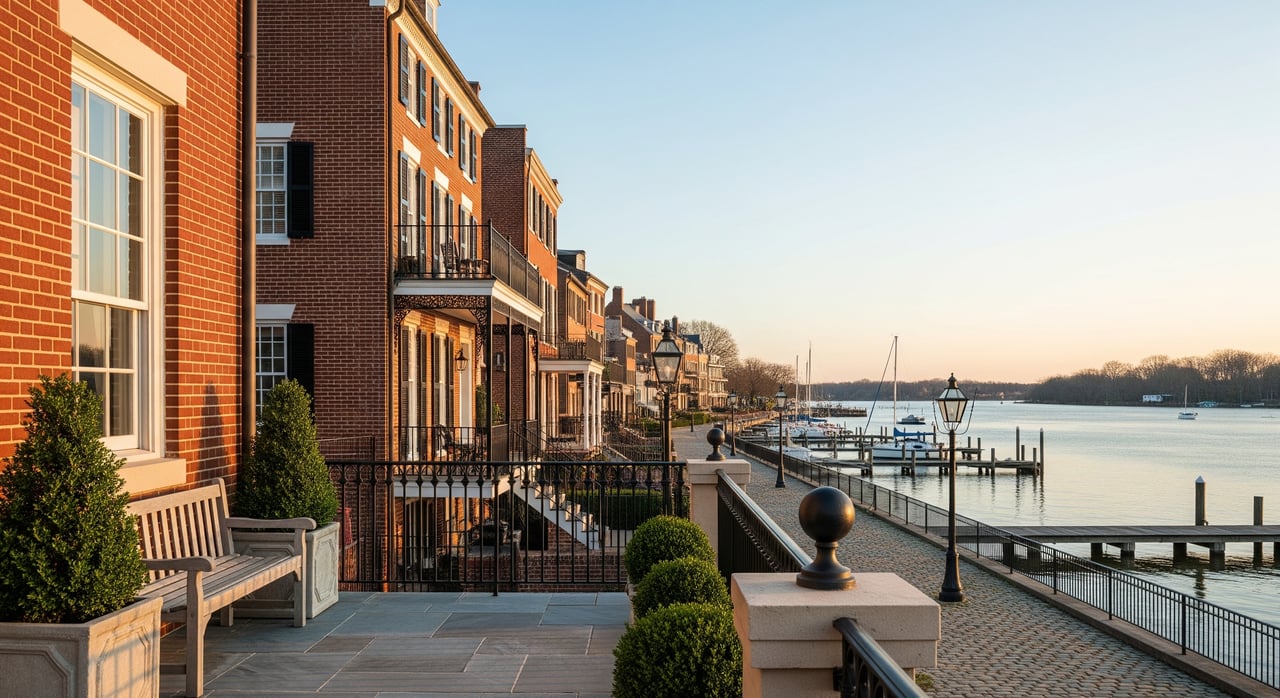
Do you picture mornings on a riverside trail, evenings on cobblestone streets, and weekends filled with art and great food? If so, Alexandria’s waterfront might be calling. You want a walkable lifestyle with easy access to D.C., but you also need practical details about homes, commutes, parking, and risks. This guide gives you a clear, street-level view of daily life by the Potomac and what to weigh before you buy. Let’s dive in.
Alexandria waterfront at a glance
Alexandria’s waterfront centers on Old Town along the Potomac River, including Waterfront Park, Founders Park, Oronoco Bay Park, and the Torpedo Factory area. Nearby Old Town North and Potomac Yard extend the river corridor with newer mixed-use blocks. The city is part of the Washington metro area and has roughly 150,000 to 160,000 residents.
You will find a blend of historic brick rowhouses, converted warehouses, boutique condo buildings, and modern developments. Portions of the riverfront sit inside a historic district, so exterior changes often go through design review. The city’s Waterfront Plan guides public spaces and redevelopment, which continues to shape parks, promenades, and street life.
Homes you’ll find
Historic rowhouses and townhomes
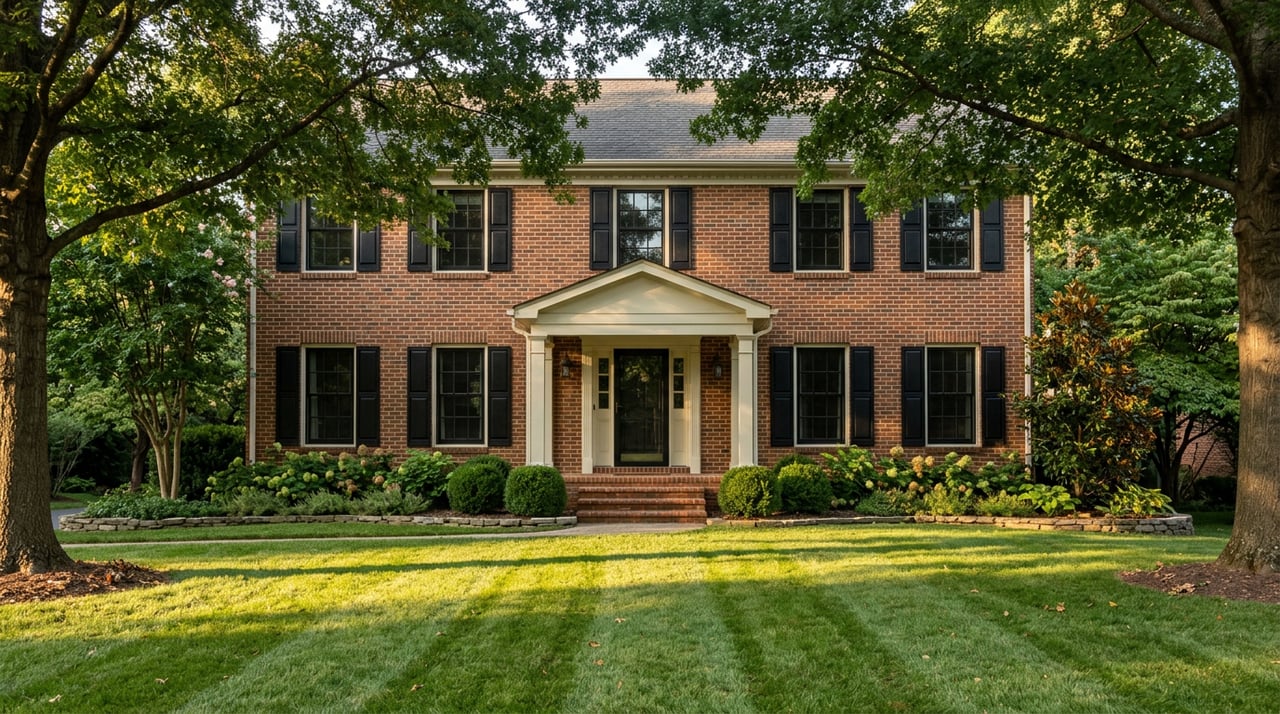
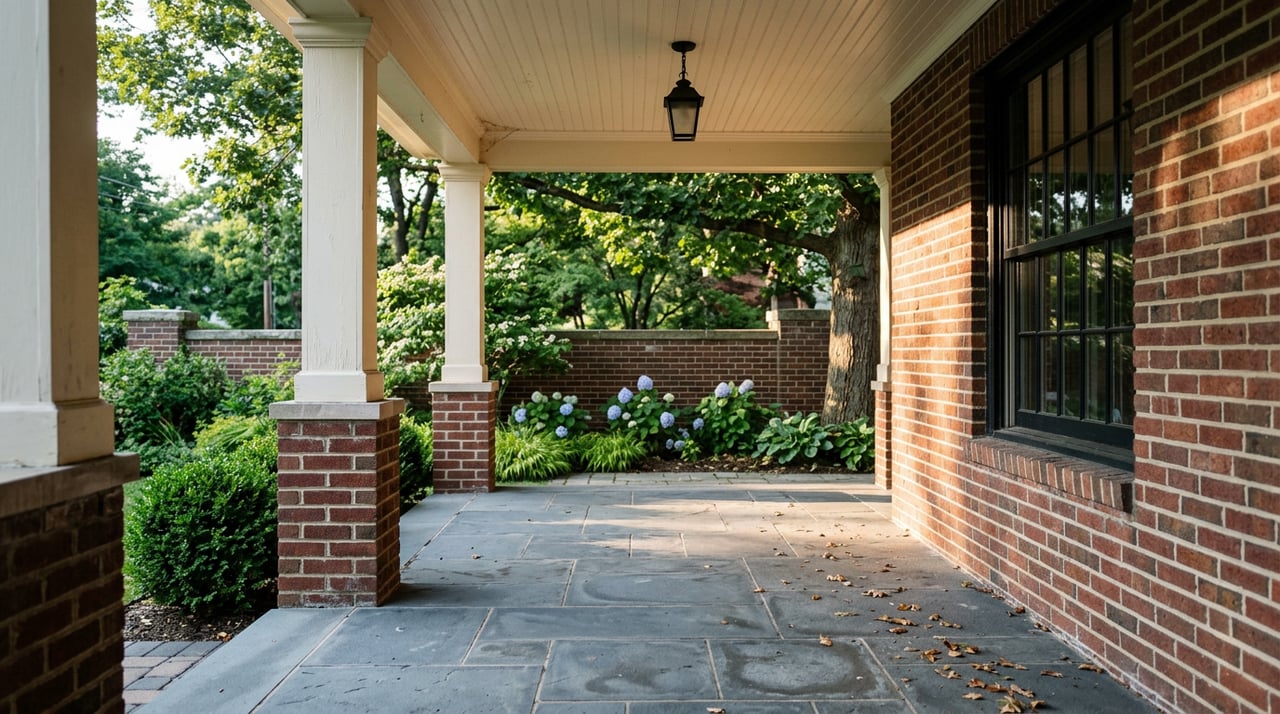
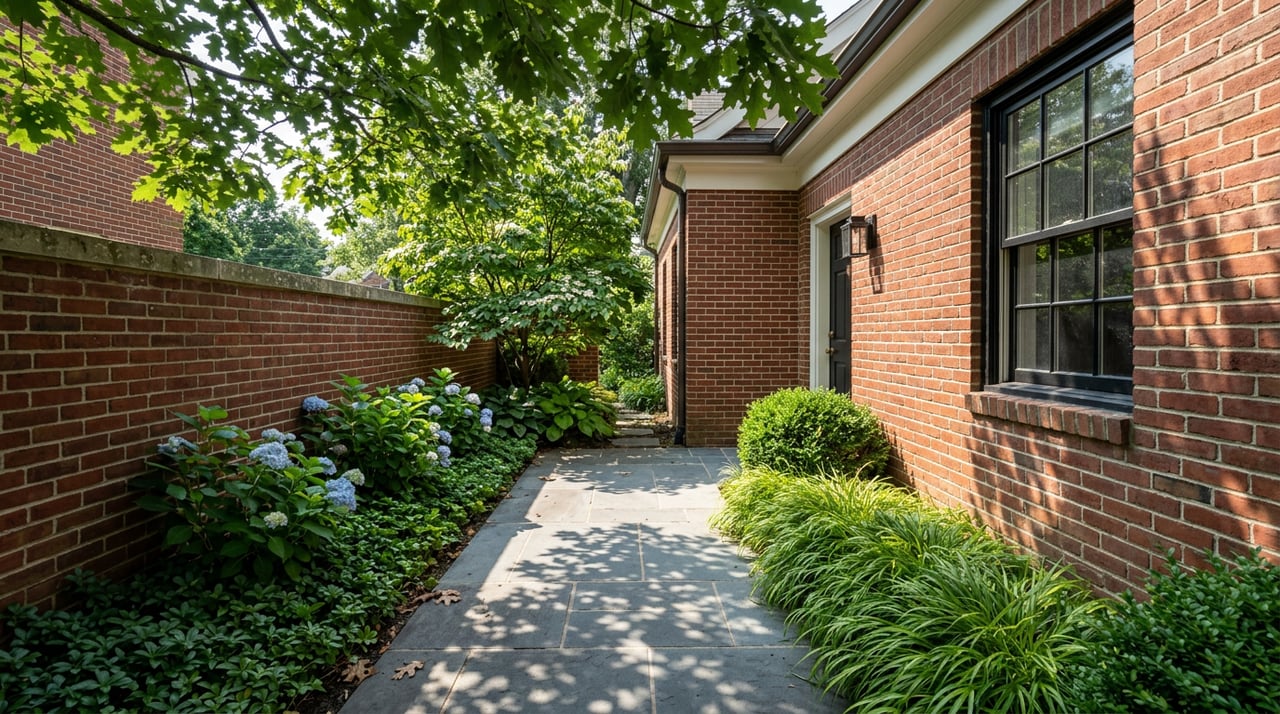
Old Town’s signature homes are brick rowhouses and townhomes on small lots. Some are single-family, while others were converted to multi-unit residences. Many blocks offer classic charm close to King Street and the river.
Condos with river views
Low- and mid-rise condos cluster near the water and around Old Town North. Boutique buildings may offer river views and modern interiors. Condos can be a more affordable entry point than detached homes, though HOA fees are common and can be significant due to building maintenance, amenities, and flood-related reserves.
Newer mixed-use options
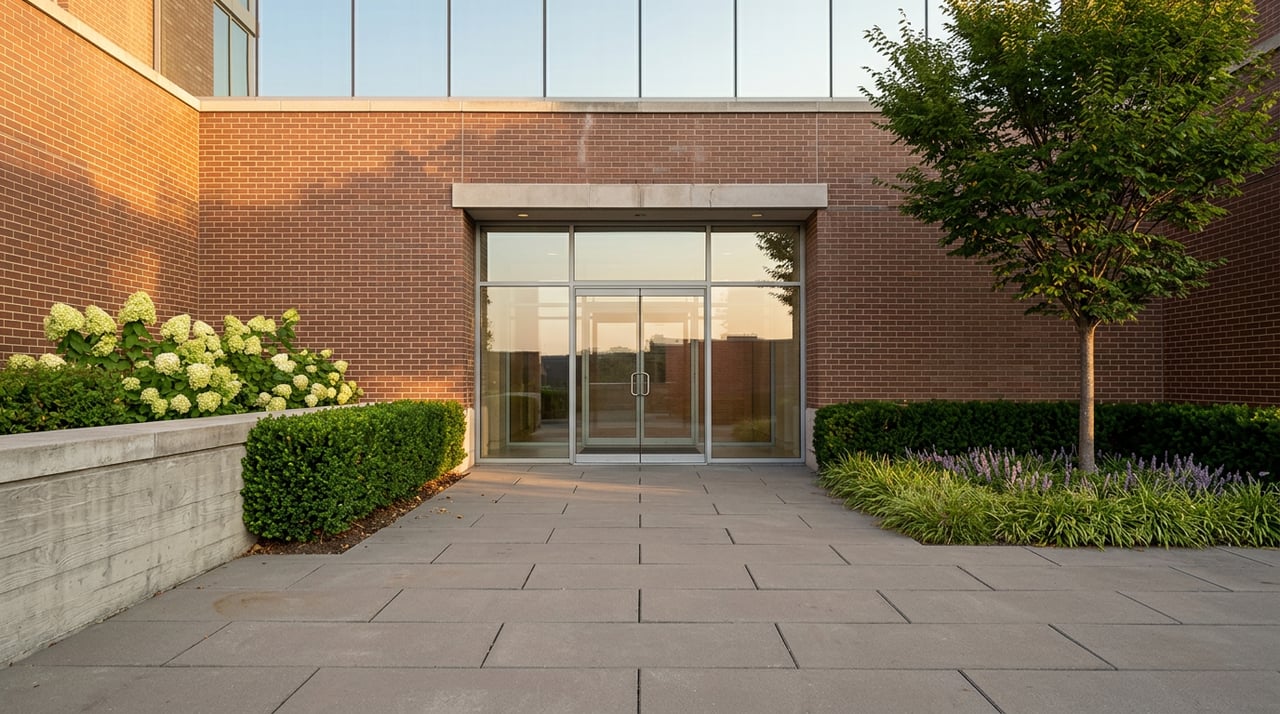
Old Town North and Potomac Yard add contemporary condos and apartments with elevators, fitness rooms, and ground-floor retail. These areas appeal if you want newer finishes and a short walk to parks and the Mount Vernon Trail.
Rentals and short-term stays
You will find rental apartments and some short-term vacation rentals near the river, especially in tourist-friendly zones. If you are buying in a condo building, check association rules on rentals and minimum lease terms.
Daily life and amenities
Walkability and parks
Old Town’s waterfront is one of the most walkable parts of Northern Virginia. You can stroll to groceries, coffee, and shops, and relax in Waterfront Park, Founders Park, and Oronoco Bay Park. The Mount Vernon Trail runs along the river for running, cycling, and quick rides to points north and south. Jones Point Park at the city’s southern tip offers additional green space.
Dining and culture
King Street and the riverfront pack in restaurants, cafes, and bars that range from casual bites to upscale dining. The Torpedo Factory Art Center, local galleries, museums, and seasonal markets bring a steady calendar of events. Expect a lively scene on weekends and during festivals.
Noise and crowds
Waterfront festivals and warm-weather weekends draw visitors. That adds energy and convenience, but you may see more traffic and street activity near the river. Visit your target block at different times of day to gauge the feel.
Getting around and commutes
Transit and regional connections
Metrorail access is centered at King Street–Old Town station on the Blue and Yellow lines. The new Potomac Yard station, also on the Blue and Yellow lines, expands options for the northeastern corridor. DASH buses connect neighborhoods to Metro, and Metrobus provides regional routes. Amtrak and Virginia Railway Express serve the Alexandria station for regional trips. Seasonal water taxis and private shuttles may connect to the Wharf and National Harbor.
Biking and micro-mobility
The Mount Vernon Trail makes bike commuting feasible for many riders. Shared bikes and scooters operate throughout the area, and short rideshare trips reach National Landing, the Pentagon, and downtown D.C.
Commute times and parking
Typical transit commutes to central D.C. are often 20 to 40 minutes or more depending on transfers and your destination. Driving varies with bridge traffic and rush-hour patterns. On-street parking in Old Town can be limited and regulated by permit. Many historic homes do not have garages. Some condos include deeded parking while others do not, so confirm whether a space conveys.
Costs, HOAs, and ownership tips
Waterfront living tends to command a premium in Alexandria. You pay for location, history, and views. If you are considering a condo, review the financials and rules closely.
- Ask for the HOA’s reserve study, recent meeting minutes, and any planned special assessments.
- Confirm what your condo fee covers, including building insurance and any flood-related reserves.
- Review rental, pet, and renovation rules so there are no surprises.
- If the property is in a historic district, understand exterior change guidelines and permitting timelines.
Risks and tradeoffs to weigh
Flood risk and insurance
Parts of the waterfront lie in FEMA-designated flood zones and have seen tidal or storm-related flooding. Flood risk is address-specific. Check FEMA and city floodplain maps and talk with your lender and insurer about coverage and costs. If the building or lot sits in a higher-risk zone, flood insurance may be required.
Preservation and renovation
Historic-district status supports the area’s character but can add complexity to exterior projects. Expect design review, longer permitting, and potentially higher costs if you plan facade or window changes. Interior updates are often simpler but still may require permits.
Development and views
The Waterfront Plan guides ongoing public and private improvements. Future projects can affect views, traffic, and public access. If a specific view matters, monitor city planning agendas and nearby proposals.
Who waterfront living fits
- You value a walkable, urban-suburban lifestyle with parks, art, and dining outside your door.
- You commute to D.C., the Pentagon, or National Landing and prefer Metro, biking, or short rideshare trips.
- You want active recreation with the Mount Vernon Trail and river access close by.
- You are comfortable with events, visitors, and occasional street activity near the river.
- You are open to condo living and HOA structures or ready for the quirks of a historic rowhouse.
Smart steps before you buy
- Visit at a weekday morning, weekday evening, and weekend to judge traffic, noise, and parking.
- Check FEMA and city flood maps and ask for any known flood claims or mitigation work.
- Request HOA documents, insurance certificates, and details on reserves and planned assessments.
- Verify whether a deeded parking space conveys or if you need a residential permit.
- If you plan to renovate, confirm whether the property falls within a historic district and what that means for timelines and scope.
- Compare costs to nearby non-waterfront blocks to confirm the premium aligns with your priorities.
Final thoughts
Living by the Alexandria waterfront means trading a standard suburban yard for parks, promenades, and a front-row seat to the river. You gain top-tier walkability, rich history, and strong regional access, with added due diligence on HOAs, flood risk, and parking. If the rhythm of Old Town and the Potomac matches your lifestyle, it can be a rewarding long-term choice.
If you want a clear plan for tours, HOA reviews, and a smooth relocation timeline, talk to Jürgen Gonzalez for personal, no-pressure advice.
FAQs
What areas count as the “Alexandria waterfront”?
- The Old Town riverfront along the Potomac and nearby blocks in Old Town North and parts of Potomac Yard are commonly considered the waterfront corridor.
What types of homes are near the waterfront?
- You will find historic rowhouses and townhomes, low- and mid-rise condos, converted industrial buildings, and newer mixed-use developments.
How is parking near Old Town’s waterfront?
- On-street parking is regulated and can be limited, many historic homes lack garages, and condo buildings vary on deeded spaces and monthly garage options.
What commute options work best from the waterfront?
- Blue and Yellow line Metro stations at King Street–Old Town and Potomac Yard, DASH and Metrobus, Amtrak and VRE at Alexandria station, plus biking on the Mount Vernon Trail.
Should I worry about flooding when buying by the river?
- Flood risk is address-specific, some parcels sit in FEMA flood zones, and lenders may require flood insurance, so check maps and insurance details for any property.
Is the waterfront a good fit for families with kids?
- The area offers parks, promenades, and access to Alexandria City Public Schools, with a denser urban setting that suits families seeking a walkable lifestyle.