Are you comparing homes in Falls Church and noticing the same city name on very different listings? You are not alone. The phrase “Falls Church” can mean the independent City of Falls Church or the surrounding neighborhoods people call Greater Falls Church. Knowing the difference affects taxes, schools, permits, commute, and long-term value. In this guide, you will learn what sets the two apart and how to verify key details before you buy or sell. Let’s dive in.
What “Falls Church City” means
Falls Church City is an independent municipality in Northern Virginia with its own government, budget, and services. City boundaries define who sets your property tax rate, who issues your permits, and which public schools serve your address. The city runs its own police, fire, parks, and school district.
If you want to confirm whether a property is inside the city, start with official city maps and tools on the City of Falls Church website. This will help you match the mailing address to the correct jurisdiction.
What “Greater Falls Church” includes
Greater Falls Church is an informal label. It describes the surrounding areas that share social, retail, and commuter ties with the city. Most of these neighborhoods are in Fairfax County, with small portions along the border in Arlington County.
A home can have a “Falls Church” mailing address but sit outside the city limits. In that case, Fairfax County or Arlington County provides services, sets tax rates, and assigns public schools. You will verify those details with the county, not the city.
Key differences at a glance
| Topic | Falls Church City | Greater Falls Church (Fairfax or Arlington) |
|---|---|---|
| Governance | Independent city with its own council and departments | Governed by county rules and services |
| Property taxes | City sets its own rate and assessments | County sets rates and assessments |
| Schools | Falls Church City Public Schools (FCCPS) | Fairfax County Public Schools (FCPS) or Arlington Public Schools (APS) |
| Permits | City issues building and trade permits | County issues permits based on property location |
| Utilities | City provides some services inside city limits; others vary by provider | County-managed or contracted services; verify per address |
| Parks and libraries | City-run facilities and programs | County-run facilities; resident benefits vary |
| Housing mix | Compact, walkable areas with small-lot single-family, townhomes, and condos | Wider range of lot sizes, subdivisions, and townhome/condo communities |
| Transit access | Close to major corridors and near Metro stations serving the area | Multiple neighborhoods near East Falls Church and West Falls Church Metro stations |
Taxes, services and permits
Property taxes and fees
Your jurisdiction sets your property tax rate and calculates your tax bill based on assessed value. Rates change annually, and exemptions or fees can differ by location. Before you make an offer, compare current rates for your specific address using these official pages:
- City property and finance resources: City of Falls Church
- Fairfax County tax information: Fairfax County Department of Tax Administration
- Arlington tax information: Arlington County
- State-level tax guidance on recordation and related items: Virginia Department of Taxation
Also check for local fees, such as stormwater or solid waste, that may appear on your bill. These vary by jurisdiction and can affect your annual costs.
Schools and district boundaries
Public school assignment depends on where the property sits, not the postal city. Properties inside Falls Church City are served by Falls Church City Public Schools. Adjacent areas are served by Fairfax County Public Schools or Arlington Public Schools, depending on the address.
School boundaries can change, so always confirm with each district’s official boundary lookup. If school options are important to you, check attendance zones and any transfer or special program policies. For academic data and state report cards, use the Virginia Department of Education.
Permits, inspections and renovations
Renovation rules, permit fees, and timelines differ between the city and the counties. If you plan to add a deck, finish a basement, or rebuild, confirm which office issues your permits. For properties inside the city, start with the City of Falls Church. For properties in the surrounding area, use Fairfax County or Arlington County permit offices. Processes and inspections vary, so build those timelines into your project plan.
Real estate market patterns
Housing mix and lot sizes
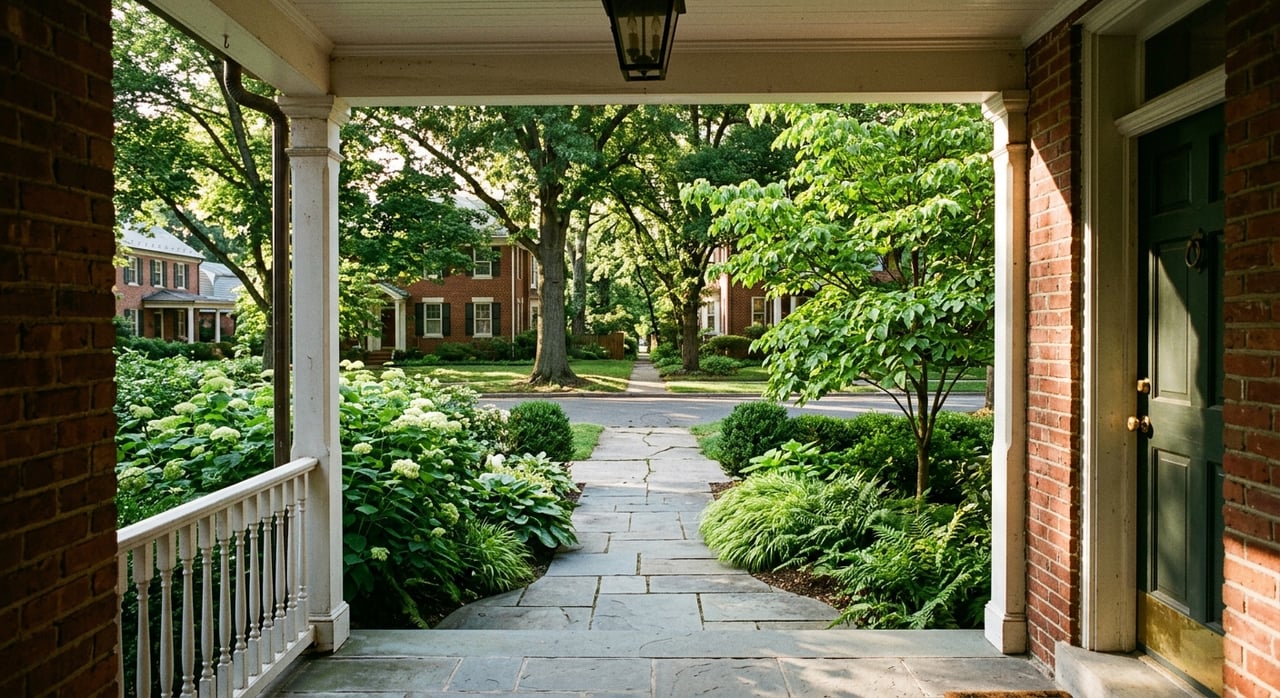
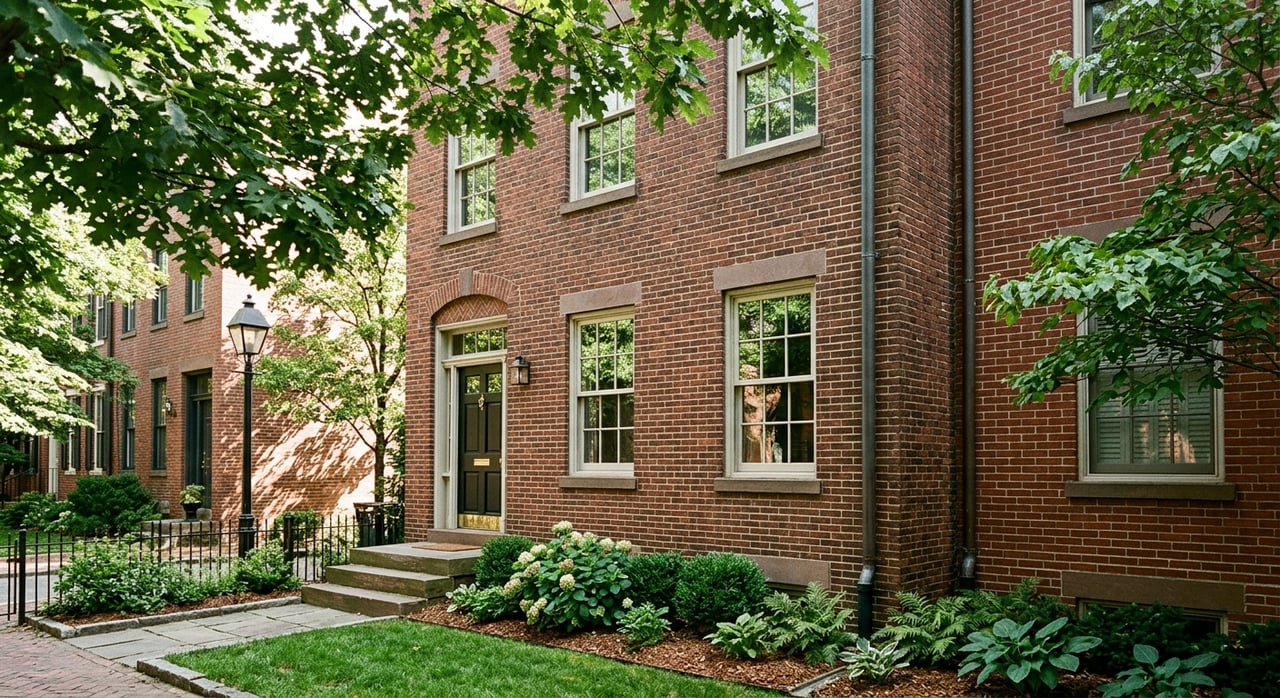
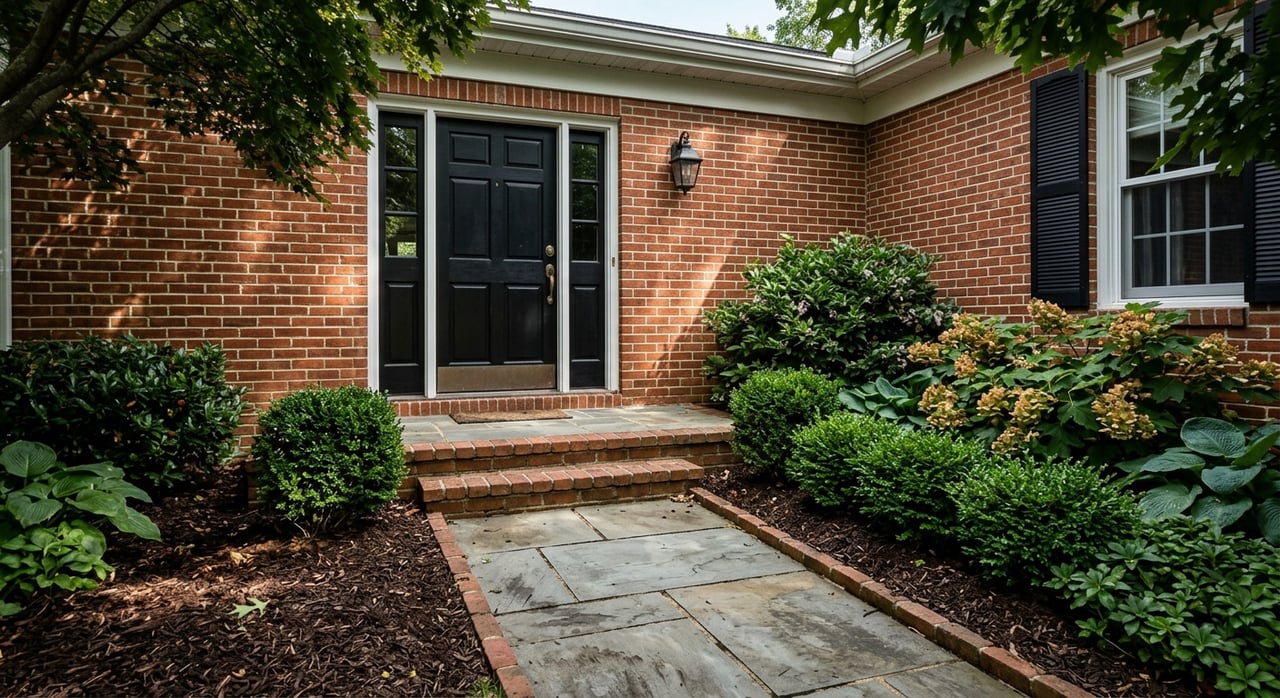
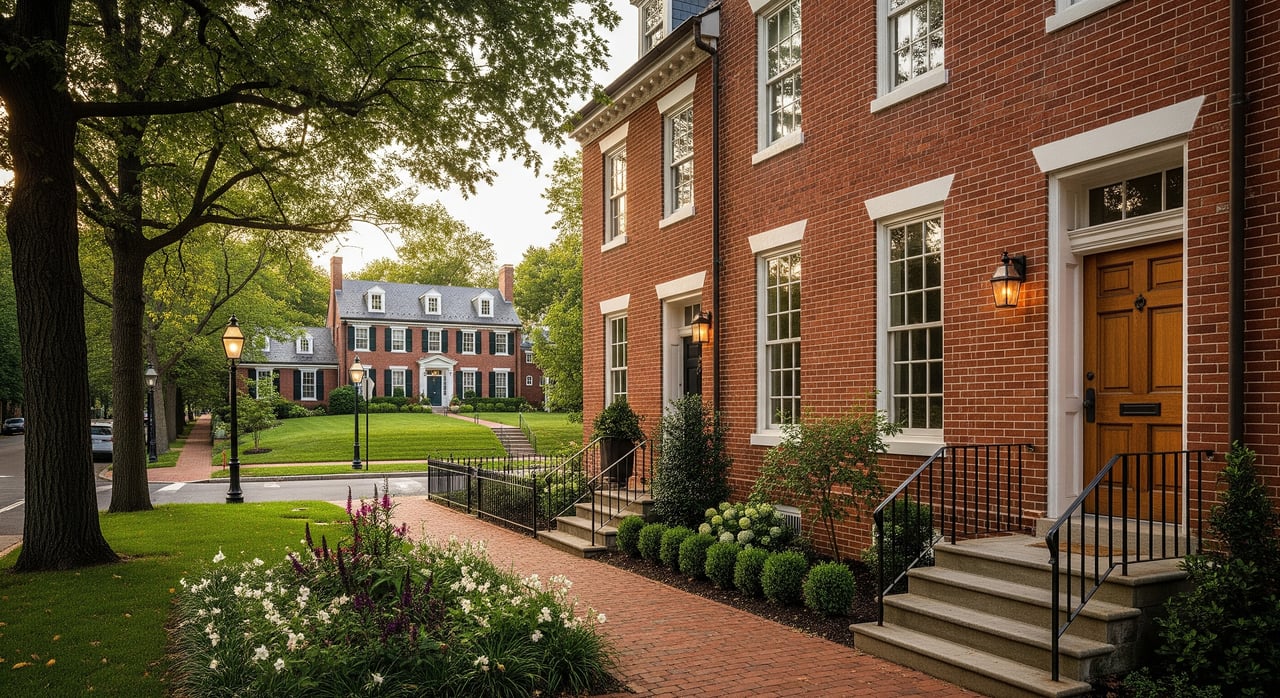
You will see a tighter, walkable pattern inside the city, with small-lot single-family homes, townhomes, and some condos near shops and restaurants. In the broader area, Fairfax County neighborhoods often offer more variety in lot sizes and subdivisions. Both areas include townhome and condo communities with homeowners associations, so review HOA rules and dues as part of your budget.
Inventory can feel tighter inside the city because the geography is small. That can affect days on market and pricing in active segments. In the broader county market, supply is larger and more varied. Your best guide is recent comparable sales and current active inventory for your specific criteria.
Transit, commute and amenities
Metro access is a major driver of demand. The broader Falls Church area is served by stations such as East Falls Church and West Falls Church. Confirm station locations and lines on the WMATA system map. Major roadways include I-66, Route 7, and I-495, which shape commute options into DC, the Pentagon, and Tysons.
City neighborhoods put you close to a compact commercial core with restaurants and services along Broad Street. Surrounding county areas provide larger retail centers and additional park options. Because parks, libraries, and recreation benefits differ by jurisdiction, check which facilities your address qualifies you to use.
Neighborhood snapshots
Inside the City: Broad Street and nearby blocks
If you prefer a compact setting with everyday errands close by, look near the city’s core. You will find a mix of small-lot single-family homes, townhomes, and some condos within a short drive or walk to shops and dining. School assignment is within Falls Church City Public Schools, and the city handles services and permits.
Fairfax County: West of the City near Metro
Many Greater Falls Church neighborhoods in Fairfax County sit close to the West Falls Church Metro area and key corridors like Route 7 and I-66. Expect a wider range of lot sizes, subdivisions, and HOA communities. FCPS sets school assignment, and Fairfax County issues permits and tax assessments.
Arlington edge: Near East Falls Church
On the Arlington side, some homes with Falls Church mailing addresses are assigned to APS and sit near East Falls Church Metro. County services apply, including taxes, permits, and parks. Transit access and proximity to major commuter routes are strong draws here.
Buyer and seller checklist
Use this quick list to confirm the details that matter most:
- Jurisdiction and taxes
- Verify whether the property is inside Falls Church City or in Fairfax or Arlington. Start with the City of Falls Church and county GIS tools. Then check tax information for the correct jurisdiction: Fairfax County or Arlington County.
- Schools
- Confirm the assigned district and schools with official boundary lookups: FCCPS, FCPS, or APS. Use the Virginia Department of Education for state report cards.
- Permits and renovations
- Identify which office will issue your permits. Processes and timelines differ by jurisdiction. Start with the City of Falls Church or your county’s permit office.
- Utilities
- Confirm water, sewer, and energy providers by address. Some services are city-run inside the city; county areas may be managed or contracted. Electric and gas providers can cross jurisdiction lines.
- Insurance and flood risk
- Review FEMA flood maps for any property you are considering. Check the official FEMA Flood Map Service Center for floodplain designations and related insurance needs.
- Market comps and timing
- Compare recent sales and active inventory for neighborhoods inside the city and nearby county areas. Look for how transit access, lot size, and school assignment affect pricing and days on market.
Next steps
The key to choosing between Falls Church City and Greater Falls Church is matching your lifestyle priorities with the correct jurisdiction details. Start with boundaries, taxes, schools, and commute. Then use recent comps to understand pricing and resale patterns in the blocks you like. A clear, address-specific check will help you avoid surprises at closing and over the years you own the home.
If you are weighing two properties on different sides of the border, we can walk you through a side-by-side comparison of taxes, school assignment, commute, and renovation steps for each address. Talk to Jürgen Gonzalez for personal, no-pressure guidance tailored to your move.
FAQs
Does a “Falls Church” mailing address mean I live in the City?
- Not necessarily. Postal city names do not define jurisdiction. Confirm with official maps and property lookup tools starting at the City of Falls Church or the relevant county.
How do property taxes differ between the City and Fairfax or Arlington?
- Each jurisdiction sets its own rate and handles assessments. Compare current information on the Fairfax County tax page, Arlington County, and city resources at the City of Falls Church.
Which public school district serves my Falls Church area home?
- It depends on the address. Properties inside the city are served by FCCPS. Fairfax County areas are served by FCPS, and Arlington areas by APS. Always confirm with the district’s boundary tool.
Who issues permits for renovations in and around Falls Church?
- The jurisdiction where the property sits issues permits. Use the City of Falls Church for city addresses and the appropriate county permitting office for Fairfax or Arlington addresses.
Is Metro access similar across the City and Greater Falls Church?
- Multiple stations serve the broader area, including East Falls Church and West Falls Church. Check exact station locations and lines on the WMATA system map for your target blocks.
Do I need flood insurance in Falls Church or nearby county areas?
- It depends on the specific property. Review your address on the FEMA Flood Map Service Center. If a home lies in a mapped flood zone, your lender may require coverage.