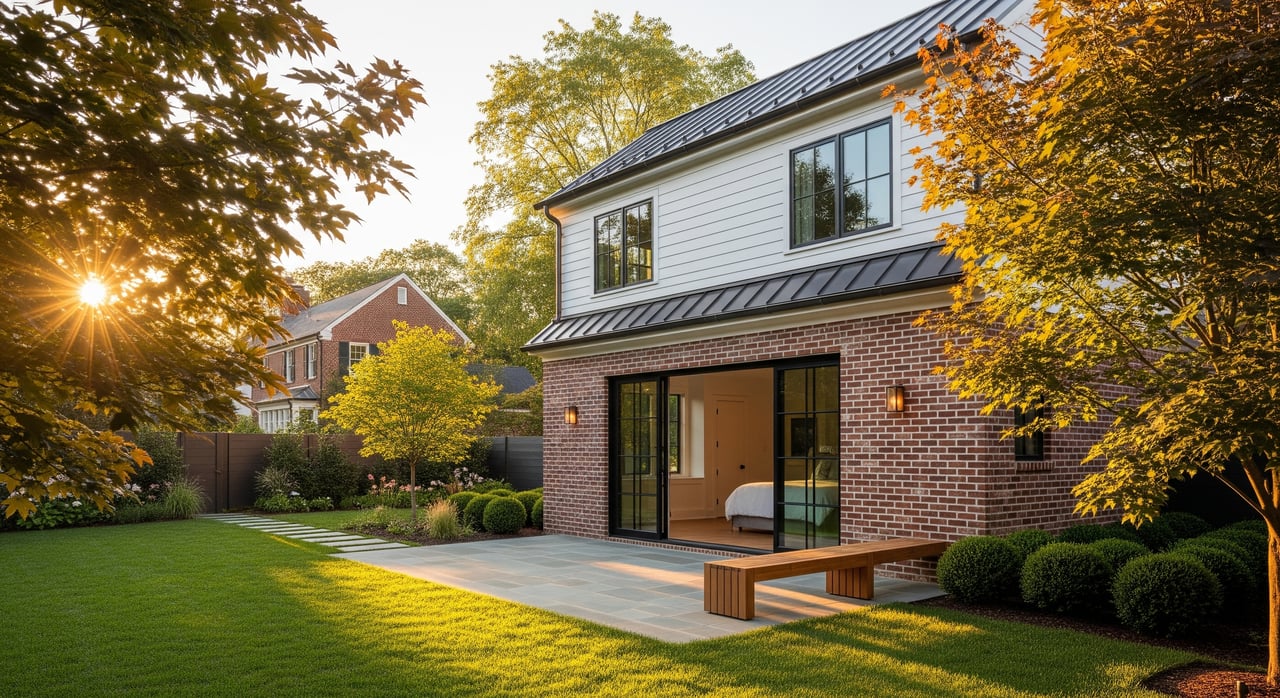
Thinking about adding an accessory dwelling unit to your Falls Church property? With small lots and strong housing demand, an ADU can create flexible living space for family, a long-term guest suite, or potential rental income. The process is very doable when you know what to check, who to call, and how to design for code and zoning.
In this guide, you’ll learn ADU types, the key rules to verify with the City, a clear step-by-step path from idea to permits, practical design tips, timeline expectations, and where to find authoritative answers. Let’s dive in.
What is an ADU?
An accessory dwelling unit is a smaller, independent residence on the same lot as a primary home. It has its own kitchen, bathroom, and sleeping area. In Falls Church, your lot, zoning district, and any overlays will guide what is possible, so start with a concept and confirm details with the City.
ADU types to consider
- Interior ADU
- Converted basement, attic, or portion of the house with its own entrance. Key checks: egress window in any sleeping room, ceiling height, fire separation, plumbing routing, and meter options.
- Attached ADU
- An addition connected to the main house. Key checks: setbacks, lot coverage, height, insulation, and sound separation.
- Detached ADU
- A freestanding backyard cottage or a unit over a new or existing garage. Key checks: accessory structure size and height limits, rear and side setbacks, lot coverage, stormwater, and tree protection.
- Garage conversion or unit over garage
- Repurposes existing footprint. Key checks: structural capacity for habitable space, stairs and access, and whether lost parking must be replaced on site.
- Junior ADU (JADU)
- A smaller, in-house unit with limited kitchen facilities. Some cities define JADUs separately. Verify whether Falls Church recognizes JADUs and how they are regulated.
Rules to verify in Falls Church
ADU rules vary by locality, and Falls Church is an independent city with its own ordinance and review process. Before you design, verify the following with City staff:
- Maximum ADU size and any percentage limits tied to the primary dwelling
- Height limits for detached ADUs and accessory buildings
- Setbacks and lot coverage caps for your zoning district
- Parking requirements or waivers
- Owner-occupancy rules and duration
- Short-term rental allowances and registration requirements
- Number of ADUs allowed per lot
- Historic district or conservation overlay reviews
- Utility service and metering policies
Start with the City’s Planning and Zoning and Building resources. You can find staff contacts and permitting information on the City of Falls Church website. For building code context, review the Virginia Department of Housing and Community Development’s overview of the statewide building code and the International Residential Code safety standards:
- Check Falls Church Planning, Zoning & Building information on the City’s website: City of Falls Church
- Review the building code framework: Virginia DHCD
- See general residential code standards: International Code Council
If your home is in an HOA, also review covenants. Private rules can be stricter than city rules for rentals, short-term stays, and accessory structures.
Your step-by-step path to approval
Follow this simple workflow to reduce surprises and keep your timeline on track.
Step 0: Preliminary research
- Look up your parcel’s zoning district and any overlays. Confirm if you are in a historic area or conservation zone. Start with the City website search.
- Review HOA or deed restrictions for rentals, short-term stays, and accessory buildings.
Step 1: Concept feasibility
- Choose an ADU type that fits your lot: interior, attached, detached, over-garage, or potentially a JADU.
- Sketch a rough size and layout: studio, one-bedroom, or two-bedroom, and note parking impacts.
- Draft a high-level budget that includes construction, utilities, design, permits, and contingencies.
Step 2: Talk with the City
- Request a pre-application check-in with Planning/Zoning. Confirm owner-occupancy rules, size and height caps, setbacks, lot coverage, and any parking requirements.
- Ask whether historic review applies and if you will need a site plan or administrative adjustment.
- Request written guidance or a checklist when possible.
Step 3: Design and technical checks
- Hire an architect or designer with Falls Church experience. Review egress, ceiling heights, insulation, fire separation, and stair requirements under the Virginia Residential Code.
- Plan mechanical, plumbing, and electrical service. Decide on tapping existing service versus separate metering.
- If applicable, confirm well or septic capacity, though most city parcels are on public systems.
Step 4: Permits and applications
- Prepare a zoning and building permit package. Typical items include a site plan, floor plans, elevations, energy compliance documentation, and basic utility diagrams.
- If in a historic area, prepare materials for design review.
- If you will rent, confirm business license or short-term rental registration steps with the City.
Step 5: Construction and inspections
- Post permits on site and follow city rules for work hours and noise.
- Schedule inspections for foundation, framing, mechanicals, and final.
Step 6: Final approval and occupancy
- Obtain your final inspection sign-off and a certificate of occupancy if issued.
- If renting, complete registrations and understand any lodging or transient occupancy tax requirements. For tax guidance, start with the Virginia Department of Taxation.
Typical timelines: An interior ADU can move from concept to occupancy in a few months if the scope is modest and no special reviews are needed. A detached ADU with site work or historic review can take 6 to 12 months or more, depending on City schedules and contractor availability.
Smart design choices that pass code
Design early with safety and usability in mind. It saves time in permitting and reduces change orders.
- Bedrooms and basements used for sleeping need properly sized egress windows or doors. Plan window wells and clear paths to grade.
- Maintain required ceiling heights in habitable rooms and above stairs. Watch for ductwork and beams when converting basements or attics.
- Include smoke and carbon monoxide alarms. Interconnected alarms improve safety and are often required.
- Plan fire separation between units when attached. Your designer will detail wall, floor, and ceiling assemblies.
- Keep plumbing close to existing stacks in interior conversions to lower costs.
- Consider accessibility basics like a zero-step entry, 36-inch doors, lever handles, and a curbless shower to future-proof the space.
- If converting a garage, verify whether you must replace required parking elsewhere on the lot.
For general best practices and examples, you can also consult national guides such as AARP’s ADU resources and the American Planning Association’s ADU summaries.
Budget, taxes, and renting
- Financing options
- Consider a HELOC, home equity loan, cash-out refinance, renovation mortgage, or a construction loan. Lender policies vary if the ADU is income producing.
- Property taxes and insurance
- Adding livable square footage usually increases assessed value. Notify your insurer; rentals or short-term use may require policy changes.
- Rental income and taxes
- Long-term rental income is taxable, and short-term stays can trigger local lodging taxes. Review state and local obligations with the Virginia Department of Taxation and the City’s business and tax offices.
- Market and rentability
- Northern Virginia rents are generally strong, but actual rent depends on size, parking, and proximity to transit. Pull local comps before you build.
Special Falls Church considerations
- Historic overlays
- Some areas require design review for exterior changes or new accessory structures. Expect guidance on materials, rooflines, and placement.
- Small lots and setbacks
- Many parcels are compact. Setbacks, lot coverage, and impervious surface limits can shape your footprint.
- Parking norms
- On-street parking may be limited. Confirm if added spaces are required or if existing spaces must be maintained.
- Stormwater and trees
- New foundations can trigger stormwater management and tree protection requirements. Plan grading, drainage, and root zone protection early.
When in doubt, ask City staff to confirm requirements and the most efficient submittal path: City of Falls Church.
How we can help
You do not have to navigate this alone. We help you pressure-test feasibility, connect with architects and contractors who know Falls Church’s process, run rent comps, and plan a timeline that respects your budget and goals. Our team’s steady, process-driven approach keeps you informed at every step.
Ready to explore an ADU on your property or assess how one affects your home’s value? Talk to Jürgen & Kristen for personal, no-pressure guidance. Start the conversation with Unknown Company.
FAQs
Are ADUs allowed in Falls Church?
- ADUs are regulated locally; you should confirm permissions, use types, and any special reviews with Falls Church Planning and Zoning before you design.
Can I use an ADU for short-term rentals in Falls Church?
- It depends on City rules and possible registration and tax requirements; verify Falls Church’s short-term rental policies and check any HOA restrictions.
Do I have to live on the property if I build an ADU?
- Some cities require owner occupancy in either the main home or the ADU; confirm Falls Church’s owner-occupancy rule with Planning staff.
How big can my ADU be in Falls Church?
- Maximum size and height limits vary by zoning district; ask the City to confirm the cap and how it is calculated for your lot.
What permits do I need to build an ADU?
- You will typically need zoning review and a building permit; historic review may apply in overlay areas and separate registration may be needed if you plan to rent.
How long does an ADU project take?
- Interior ADUs can take a few months from concept to occupancy; detached units with site work or reviews often take 6 to 12 months or more.
Will my property taxes go up after adding an ADU?
- Likely yes; new livable square footage usually increases assessed value, so plan for a higher tax bill and confirm with the City assessor.
Do I need extra parking for an ADU in Falls Church?
- Some localities require one additional space or replacement of lost garage parking; confirm Falls Church’s parking requirements for your property.